
Google Updates and Guest Posting - What Publishers Need to Know
Guest posting, once a foundational strategy in SEO, has evolved dramatically under the scrutiny of Google’s ever-changing algorithms. For publishers monetizing...
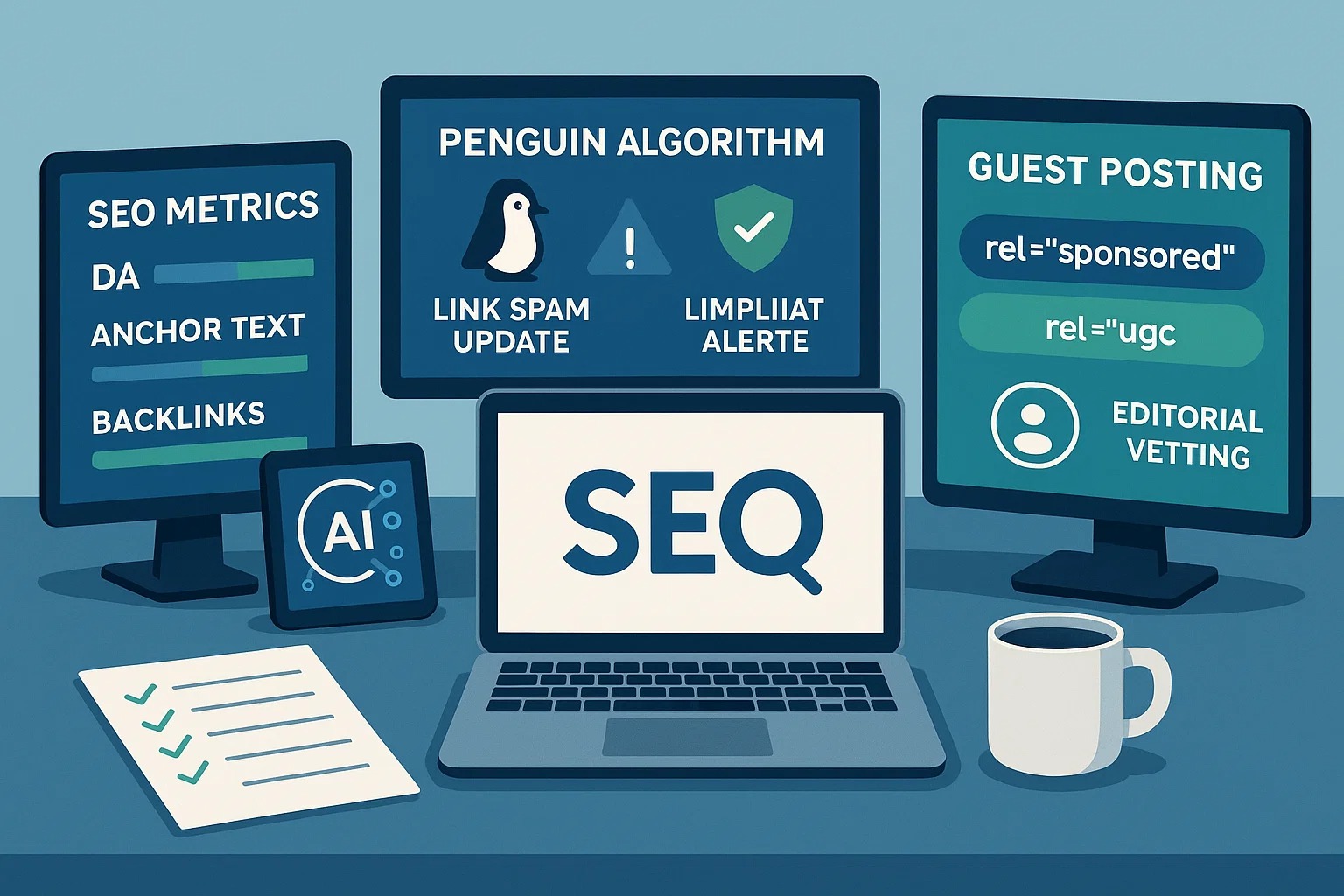
Guest posting, once a foundational strategy in SEO, has evolved dramatically under the scrutiny of Google’s ever-changing algorithms. For publishers monetizing their blogs through guest contributions or managing backlink exchanges, understanding these updates is no longer optional—it’s essential for long-term survival and trust.
This guide provides an advanced technical deep-dive into the intersection of Google algorithm updates and guest posting, with a focus on how publishers must adapt their platforms, editorial standards, and monetization strategies to remain compliant and competitive.
Key Concepts and Terminologies
Term | Definition |
|---|---|
Guest Posting | The practice of publishing content authored by third parties (often with backlinks) on a host site. |
Link Scheme | Any strategy aimed at manipulating PageRank or a site's ranking in Google search results through unnatural links. |
E-E-A-T | Experience, Expertise, Authoritativeness, Trustworthiness — a core framework in Google's Search Quality Evaluator Guidelines. |
UGC | User-Generated Content. Often posted by external contributors. Should be tagged appropriately. |
nofollow/sponsored/UGC | Rel attributes used to identify the nature of a hyperlink: paid, community-driven, or editorial. |
Major Google Updates Impacting Guest Posting
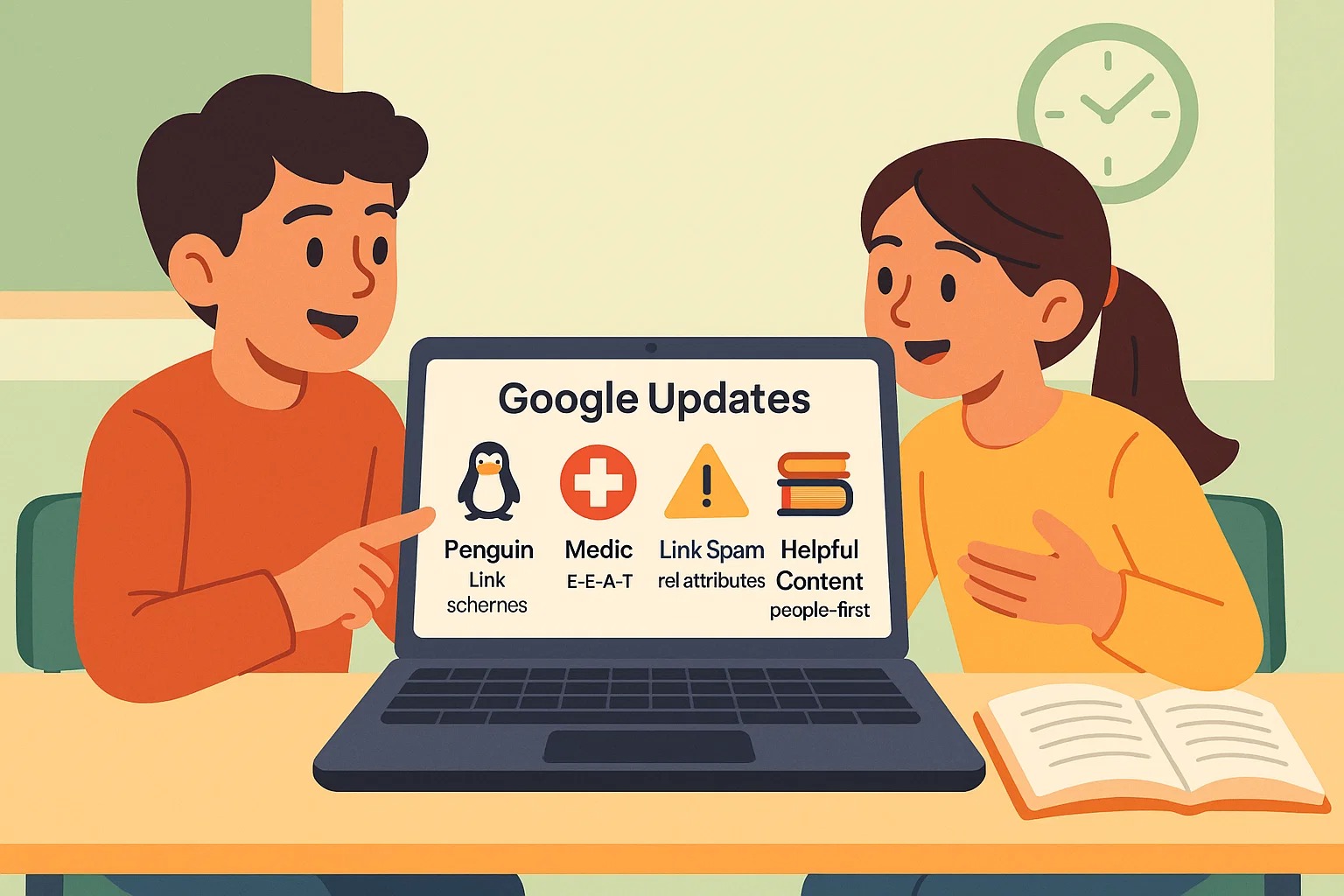
1. Penguin Algorithm (2012 – Real-Time in 2016)
Penalized manipulative link-building schemes.
Introduced domain-level and page-level penalties for unnatural backlink profiles.
Encouraged the use of natural anchor text.
Implication: Publishers selling or hosting keyword-rich anchor text links face penalties if detected.
2. Medic Update (August 2018)
Boosted sites with strong E-E-A-T signals, especially in YMYL (Your Money Your Life) niches.
Downranked thin or low-authority contributor content.
Implication: Guest posts lacking verified author profiles or editorial vetting suffer ranking losses.
3. Link Spam Update (July 2021 + December 2022)
Introduced improved AI-powered spam detection.
Penalized untagged paid links and mass-scale guest post schemes.
Implication: Use of correct link attributes (rel="sponsored", rel="ugc") is mandatory.
4. Helpful Content Update (2022 – ongoing)
Targets sites producing content primarily for SEO rather than users.
Promotes content created by people for people.
Implication: Guest post content must be original, relevant, and offer unique insights beyond SEO filler.
Technical Audit Points for Guest Post Publishers
A. Backlink Footprint Detection Avoidance
Metric | Publisher Best Practice |
|---|---|
Anchor Text Diversity | Enforce natural, branded, or partial match anchors only |
Outbound Link Ratio | Maintain healthy content-to-link ratio; 1:300+ words recommended |
Link Placement | Avoid footer/sidebar link sales |
IP/Subnet Diversity | Don’t host PBNs; vary hosting environments |
B. Content Quality Signals
Use verified contributor bios with LinkedIn/author schema.
Publish long-form content (1000+ words) with internal links to relevant content.
Avoid templated introductions and conclusions.
Leverage AI detection tools to ensure content originality and tone variation.
Best Practices for Compliance
1. Implement Correct rel Attributes
Use rel="sponsored" for paid content or link insertions.
Use rel="ugc" for community-submitted or minimally reviewed content.
Do not use rel="nofollow" as a blanket solution — Google now prefers clarity.
2. Create a Guest Posting Policy Page
State editorial guidelines.
Declare link policies.
Explain rel-tagging practices.
3. Editorial Vetting System
Use manual review or trained editors.
Build a contributor application process.
Use AI-assisted plagiarism and quality checkers.
VI. Opportunities with AI & ChatGPT
How AI Can Help Publishers
Auto-generate summaries and meta tags for guest posts.
Detect AI-written or low-E-E-A-T content via classifiers.
Suggest relevant internal links automatically.
Pre-score posts based on E-E-A-T and readability heuristics.
Risk of Over-Reliance on AI
Google penalizes content that appears auto-generated without value.
Balance AI + human editorial involvement for best results.
What to Avoid in 2025
Red Flag | Consequence |
|---|---|
Accepting mass guest posts with same anchors | Penalty or link devaluation |
Hiding link intent (no rel="sponsored") | Spam penalty from Link Spam Update |
Lack of author transparency | E-E-A-T score reduction |
Hosting doorway guest posts (irrelevant content) | Site-wide trust loss |
Action Plan for Publishers
Audit Existing Guest Posts
Use tools like Ahrefs/Screaming Frog to check outbound link density.
Re-tag or remove non-compliant links.
Train Contributors: Share guidelines, SEO standards, and author requirements.
AI Integration: Use Rankar or internal tools to enhance compliance and automation.
Transparency: Establish a public directory of guest authors and disclose sponsor information.
Monitor with Tools
Google Search Console
SEMrush/Ahrefs Link Audit
Content decay and freshness tracking

Final Word
Guest posting isn’t dead, but bad guest posting is. As publishers, adapting to Google’s AI-era rules is about more than just avoiding penalties — it's about building long-term credibility, monetization, and user trust.
By investing in compliance, transparency, and smart editorial workflows, publishers can continue to leverage guest posts as both a traffic and revenue stream — without risking algorithmic wrath.