
Master Payments Management: Getting Paid for Your Guest Posts Like a Pro
Managing payments for guest posts can be a bit tricky, especially if you’re a beginner or just starting to work with guest posting platforms. Understanding how...

Managing payments for guest posts can be a bit tricky, especially if you’re a beginner or just starting to work with guest posting platforms. Understanding how to manage your payments efficiently and getting paid the right way is a critical aspect of growing your guest posting career or business. In this article, we’ll cover everything you need to know about payments management for guest posts, including how to get paid, how to manage payments effectively, and how to make sure you’re getting the most value out of your guest post efforts.
Why Payments Management Is Important in Guest Posting
If you are running a guest posting business or making money through guest posts, knowing how to manage payments is essential. Guest posting isn’t just about creating content; it’s also about ensuring that you get paid properly for your work. Proper payment management ensures you:
Get paid on time.
Avoid confusion with clients or publishers regarding payment terms.
Keep track of your earnings for tax and business purposes.
Streamline your financial operations so you can focus on creating great content and growing your business.
This article will guide you through the different payment methods used in guest posting, how to set up your guest post business to accept payments, and the best practices for keeping track of all your earnings.
Common Payment Methods for Guest Post Services
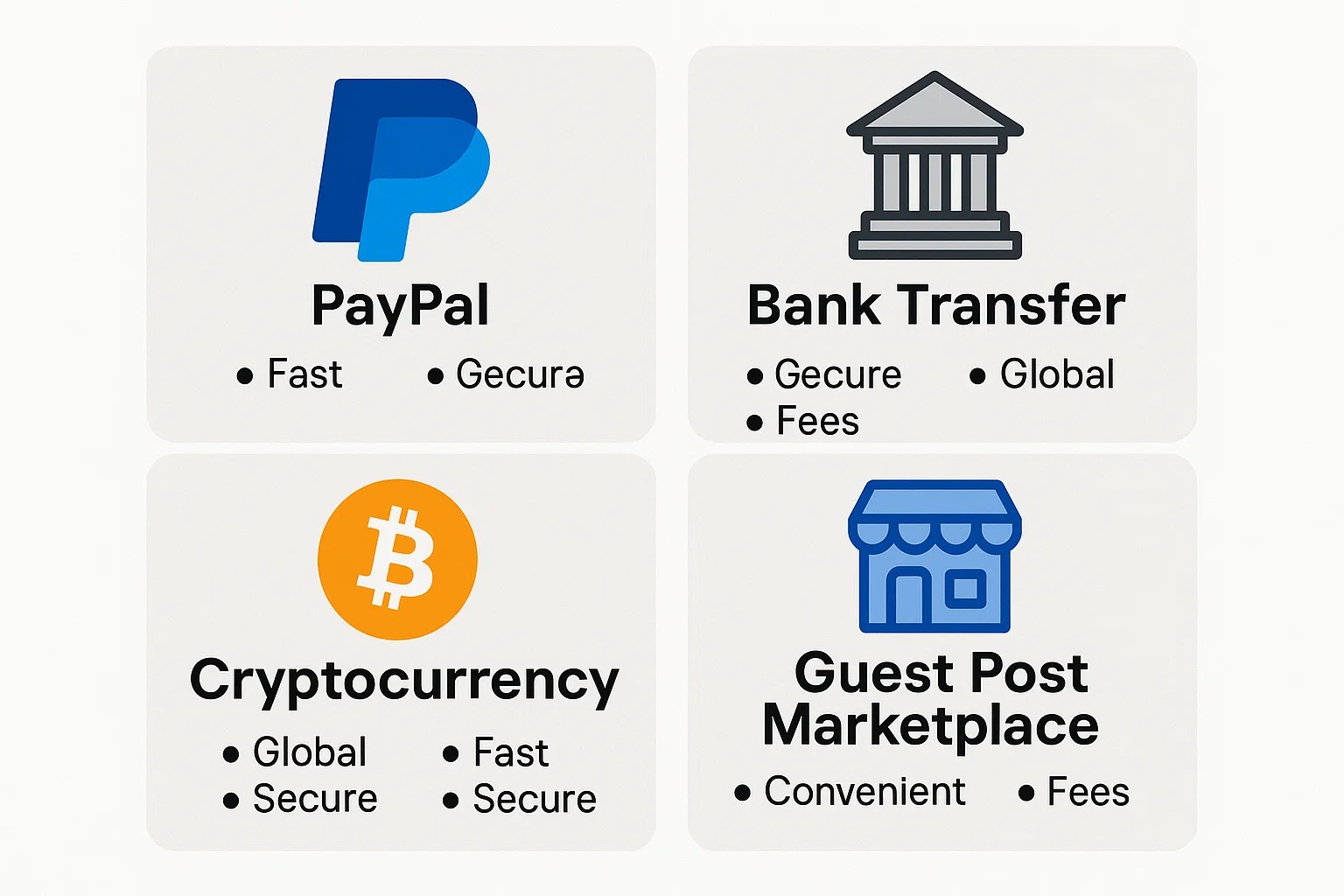
When it comes to guest posting, there are several ways in which you can get paid. Let’s go over the most common methods:
1. PayPal: The Most Common Payment Method
PayPal is the most widely used payment platform for online transactions. It’s fast, secure, and relatively easy to set up. Most guest post platforms and clients accept PayPal as a payment method. Here's why PayPal is often used in guest posting:
Global Acceptance: PayPal is used worldwide, making it perfect for freelancers and businesses working with clients across different countries.
Security: PayPal offers robust protection against fraud, which is crucial when dealing with online transactions.
Instant Transfers: Payments via PayPal are typically instant, so you won’t have to wait long for your payment.
To get started with PayPal, all you need to do is create an account, link it to your bank account or credit card, and then share your PayPal email address with clients. Make sure to verify your PayPal account for security purposes.
2. Bank Transfers
Some clients prefer to pay via bank transfer, especially if you’re working with large companies or agencies. Bank transfers are generally more secure, and they are ideal for handling large sums of money. However, they may take a few days to process, and international transfers might involve additional fees.
Pro Tip: Make sure to have your bank account details ready and confirm the correct details with your clients to avoid delays in receiving payments.
3. Cryptocurrency Payments
In recent years, cryptocurrency payments (such as Bitcoin and Ethereum) have become more popular for freelancers and digital businesses. Cryptocurrencies can be used for international payments without the need for a middleman like PayPal or a bank, making them a fast and secure option. However, using cryptocurrency requires some technical knowledge.
Pro Tip: Make sure both you and your client are comfortable using cryptocurrencies before offering them as a payment method. Always double-check the payment amount, as the value of cryptocurrencies can fluctuate significantly.
4. Payment through Guest Post Marketplaces
Some guest posting platforms, such as Rankar.ai, have integrated payment systems that allow publishers to accept payments directly through the platform. These platforms often offer payment processing features that make it easy for clients to pay and for you to keep track of your earnings.
Pro Tip: If you’re using a guest post marketplace, ensure you understand the platform’s payment policies, such as the processing time, transaction fees, and whether the platform holds payments in escrow until the work is completed.
Setting Payment Terms for Guest Posting
When you offer guest posting services, it’s essential to set clear payment terms with your clients. This ensures you both agree on when and how you will be paid, which helps avoid confusion later on. Here are some things to consider when setting your payment terms:
1. Payment on Submission vs. Payment on Publication
Payment on Submission: In this payment method, clients pay you as soon as you submit your guest post to them. This method is often used by freelance writers or agencies that prefer upfront payments.
Payment on Publication: Here, clients pay you once the guest post has been published on their website. This method is generally used by established agencies and publishers.
Pro Tip: As a beginner, consider negotiating a 50% upfront payment for your guest posts to ensure you’re compensated for your work before publication.
2. Setting Prices for Your Guest Posts
How much you charge for a guest post depends on several factors, including:
Domain Authority (DA) of the Website: Websites with higher DA generally allow you to charge more for a guest post.
Length and Quality of Content: Longer, well-researched, and high-quality content will warrant a higher price.
Niche: Some niches (like technology and finance) may have higher rates than others (like lifestyle or entertainment).
Pro Tip: Set competitive rates based on your experience, the quality of your content, and the websites you’re targeting. As you build your portfolio, you can increase your rates.
Tools to Manage Payments Efficiently
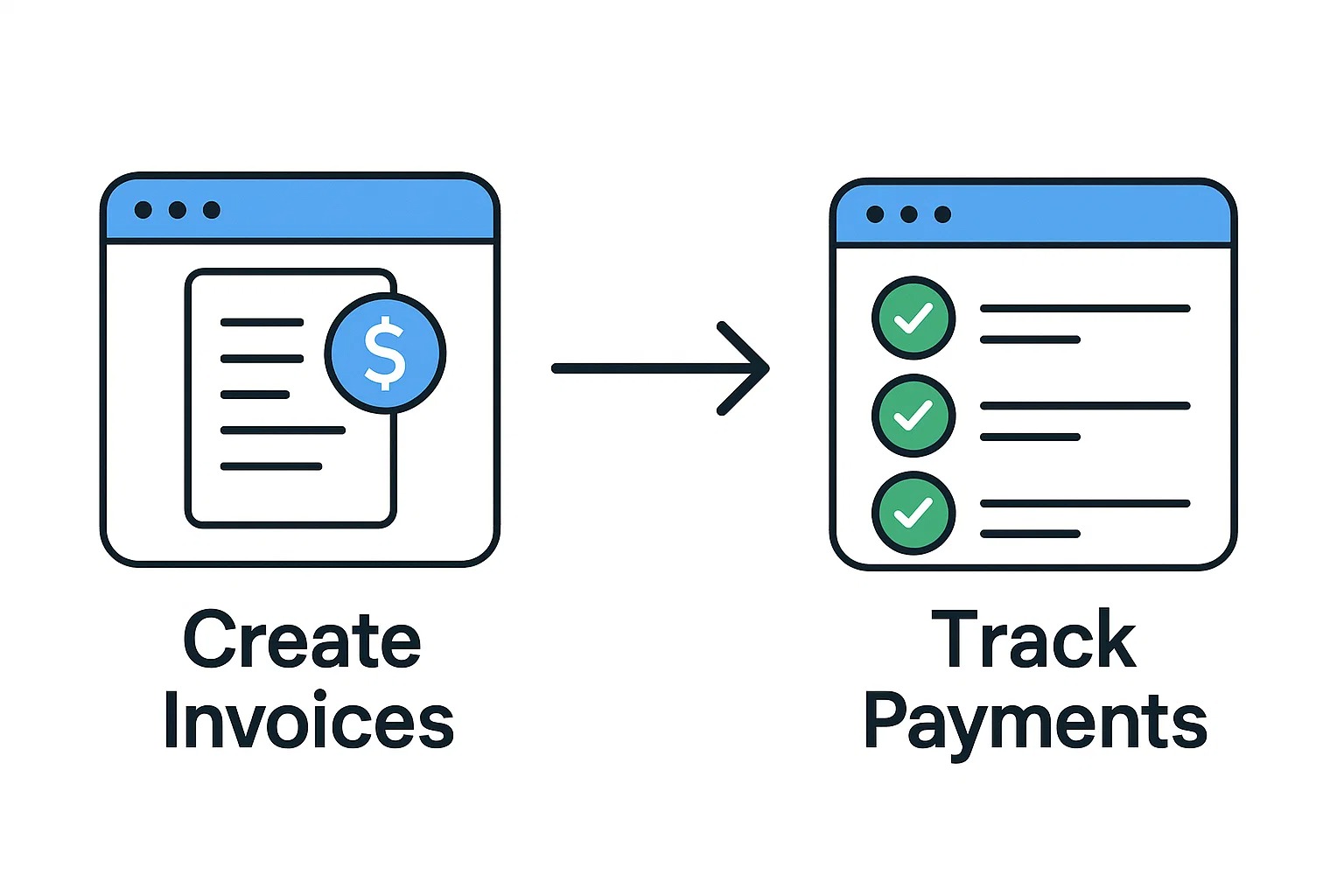
Managing payments can become cumbersome as you work with multiple clients and platforms. To streamline this process, you can use various tools to track your income and manage your finances:
1. Invoicing Tools
Use invoicing tools to create professional invoices and keep track of payments. Some popular invoicing tools are:
Wave: A free tool that allows you to create and send invoices, track payments, and even manage your accounting.
FreshBooks: An invoicing and accounting tool designed for small businesses and freelancers.
PayPal Invoicing: PayPal allows you to create and send invoices directly from your PayPal account.
2. Payment Trackers
For those working with multiple clients or freelance projects, a payment tracker helps you keep an eye on your earnings and deadlines. You can use tools like:
QuickBooks: An accounting software that helps you track expenses, income, and invoices.
Xero: Another tool for managing your business’s accounting, invoicing, and payments.
Best Practices for Payment Management
Here are some best practices to keep in mind when managing payments for guest posts:
1. Keep Records of All Transactions
Maintaining a record of all payments, whether received or pending, will help you keep your finances organized. Use tools like Google Sheets or Excel to create a simple tracking system.
2. Set Clear Deadlines and Payment Schedules
Be clear with your clients about when you expect to be paid. If you’re working with multiple clients, try to set payment deadlines and align them with your work schedule.
3. Use Escrow When Necessary
For higher-value projects or new clients, consider using an escrow service to ensure you get paid for your work. Escrow services hold payment in a secure account and only release it once both parties agree that the work is complete.
Conclusion
Managing payments for guest posts is an essential skill for any freelancer or content creator. By using the right payment methods, setting clear payment terms, and using tools to streamline your financial operations, you can ensure that your guest posting business runs smoothly. Keep track of your payments, set competitive prices, and always maintain professionalism with your clients.
With the right approach to payments, you’ll not only make guest posting a profitable venture but also gain credibility as a professional in the industry. Now that you understand how to handle payments effectively, it’s time to focus on producing great content and growing your business. Happy guest posting!