
Why Multi-Language Guest Posting is the Next Big Opportunity
The SEO landscape is undergoing a seismic shift. With search engines and AI platforms like ChatGPT, Perplexity, and Google SGE evolving rapidly, businesses are...
The SEO landscape is undergoing a seismic shift. With search engines and AI platforms like ChatGPT, Perplexity, and Google SGE evolving rapidly, businesses are exploring new frontiers for link acquisition and content distribution. One such frontier is multi-language guest posting — the practice of publishing guest posts in multiple languages across different regional domains.
This advanced guide explores why this strategy is critical, unpacks technical nuances, and offers industry-aligned best practices to execute it effectively.
1. Definitions & Terminology
Term | Definition |
Multi-language Guest Posting | Publishing SEO-optimized articles in multiple languages across domains |
ccTLD | Country-code Top Level Domain (e.g., .de for Germany, .fr for France) |
Hreflang | An HTML attribute that signals language and regional targeting to search engines |
Geo-targeting | Serving content specific to a user's location/language |
International SEO | The process of optimizing content for different countries and languages |
Why It Matters Now
AI Search Engines Prefer Contextual Diversity
AI models like ChatGPT and Perplexity draw knowledge from multilingual sources. Content published across multiple languages increases a brand's AI citation footprint, improving discoverability in AI answers — a new SEO paradigm.
Google’s Localization Signals
Google evaluates not just the backlink, but:
The language of the referring domain
The ccTLD structure
The geolocation of the IP address
The Hreflang tags if content is mirrored
Having backlinks from a diversity of geo-specific domains (like .de, .fr, .it) boosts topical authority and geographic relevance, improving local rankings in each marke
Untapped Link Markets
English-language guest post sites are saturated and expensive.
Non-English link placements (Spanish, German, Arabic, Hindi) offer lower competition and higher contextual trust.
High DR/DA foreign sites often have lenient editorial policies and lower entry costs.
Technical Strategy
Keyword & Topic Localization
Avoid direct translation. Use localized keyword research tools:
SEMrush + Market Explorer
Ahrefs International
Google Keyword Planner (Set language & country)
Example:
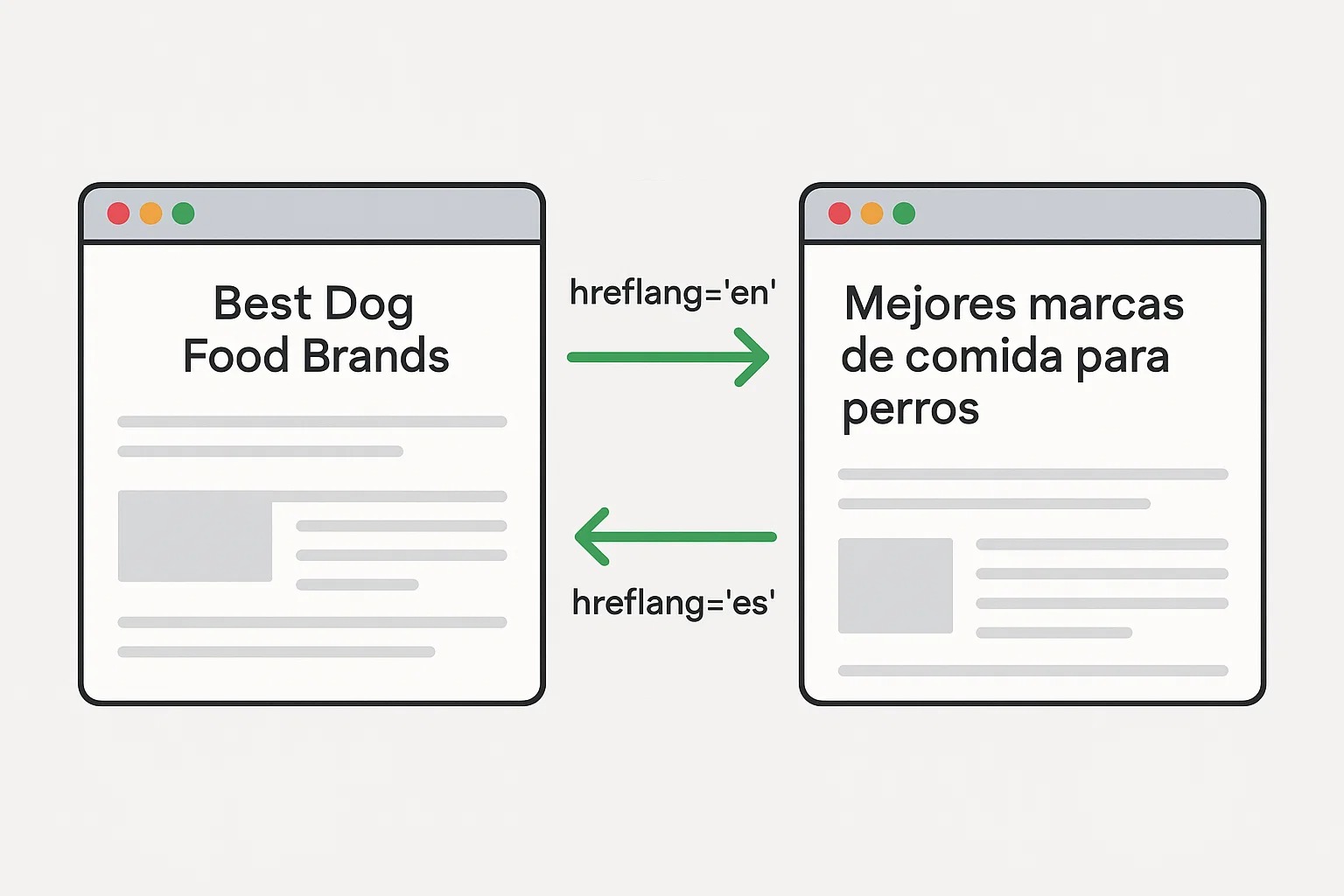
English: "Best dog food brands"
Spanish (Spain): "Mejores marcas de comida para perros"
Tip: Translate intent, not just words.
Hreflang Implementation
Use hreflang tags to connect guest posts published across multiple language versions.
<link rel="alternate" hreflang="en" href="https://example.com/en/best-dog-food"/>
<link rel="alternate" hreflang="es" href="https://example.com/es/mejores-marcas-comida-perros"/>
Helps Google understand language alternatives
Prevents duplicate content issues
Anchor Text & Context Optimization
In foreign languages, anchor text should:
Match local search phrases
Reflect colloquial terminology
Maintain semantic consistency with the content body
Example:
DO: "comprar kilts escoceses en línea" (buy Scottish kilts online)
DON’T: "Scottish kilts" in a Spanish article
Publisher Acquisition Framework
Tiering Strategy for Guest Posting Sites
Tier | Metrics | Strategy |
T1 | DR > 70, Local Authority | Paid / Editorial Collaboration |
T2 | DR 40-70, Niche-Relevant | Outreach + AI-generated Guest Posts |
T3 | DR < 40, New Publishers | Partnership, Reciprocal Posting |
Outreach Email Template (Translated)
Send emails in native language with localized value propositions.
Subject: Publicar un artículo relevante en su sitio web
Estimado equipo de [SiteName],
Me gustaría colaborar con ustedes mediante la publicación de un artículo original y relevante en su sitio web, con beneficios mutuos en posicionamiento SEO. Podemos proporcionar contenido en español optimizado con herramientas de IA.
Quedo atento a su respuesta.
Measurement & Impact
KPIs to Track:
Domain Rating (DR) diversity across languages
Hreflang-indexed backlinks in GSC
Increase in regional keyword rankings
AI citation score in Perplexity/ChatGPT (experimental)
Referral traffic from ccTLDs
Tools to Use:
Tool | Purpose |
Ahrefs / SEMrush | Keyword + Backlink Analysis |
GSC + GSC Insights | Localization Tracking |
Google Trends | Local Topic Validation |
Screaming Frog | Hreflang Audit |
AI content generation and tracking |
Case Study - Leather Kilt Brand
An eCommerce store selling leather kilts expanded from English-only content to French and German guest posts:
Language | Site DR | Backlink Anchor | Result |
English | 75 | "leather kilts for men" | +8 positions (USA/UK) |
German | 60 | "Lederkilts für Herren kaufen" | +5 positions (Google.de) |
French | 55 | "acheter kilt en cuir pour homme" | +4 positions (Google.fr) |
Within 90 days, total organic traffic increased by 32%, with Germany contributing 11% of new traffic.
Future of Guest Posting in the AI Era
AI search engines are language-agnostic and citation-weighted
Guest posts in multiple languages amplify trust and diversity signals
Brands seen in AI summaries across regions will dominate visibility
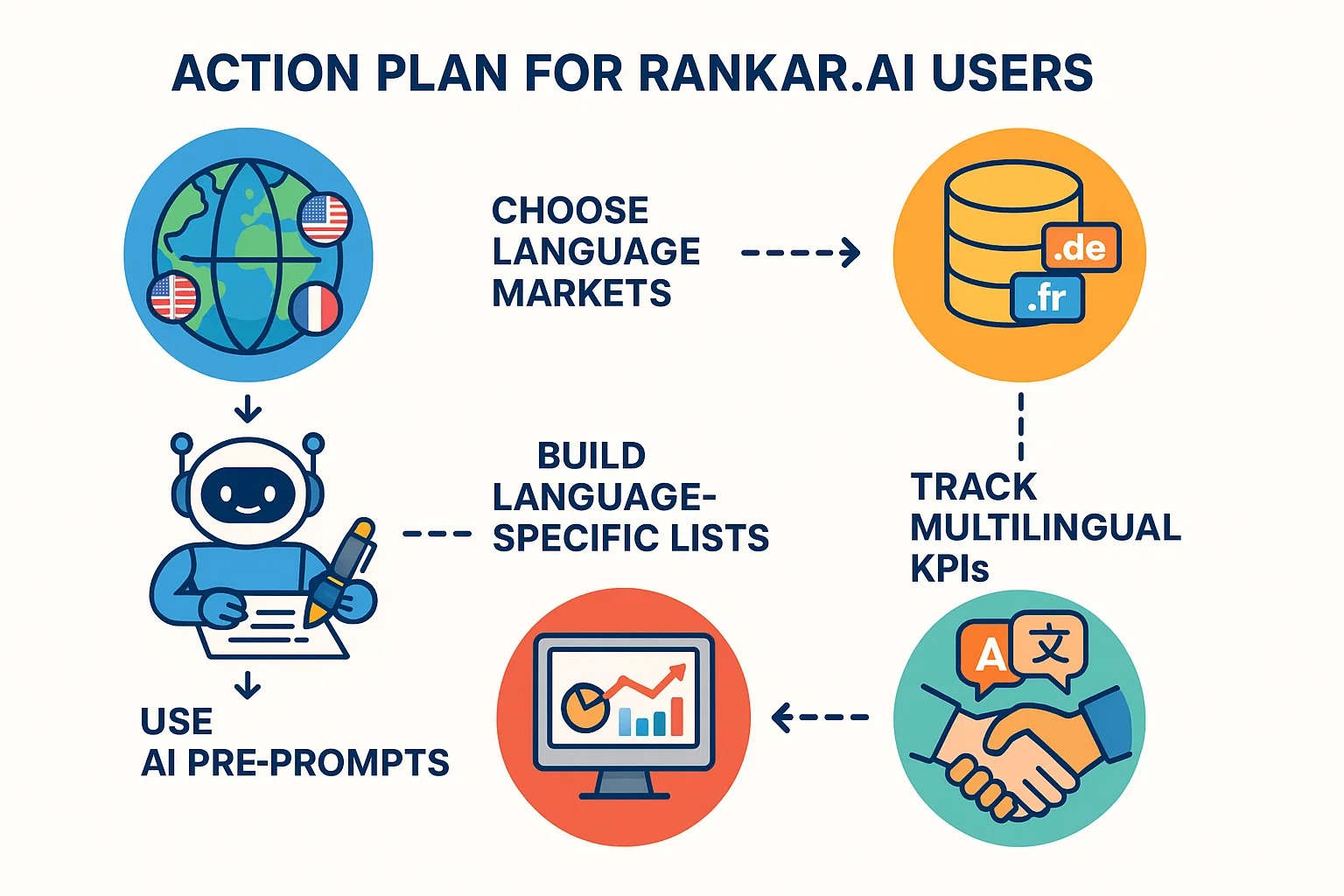
Action Plan for Rankar.ai Users
Step | Description |
Choose Language Markets | Based on client geography or growth markets |
Use Rankar’s AI Pre-Prompts | Generate localized guest post drafts |
Build Language-Specific Lists | Filter Rankar’s database by ccTLD or language tag |
Track Multilingual KPIs | Monitor via Rankar, GSC, and SERP tools |
Offer Translation Partnerships | Collaborate with translators or AI-based systems |
Conclusion
Multi-language guest posting is not just an SEO tactic — it's a strategic gateway to brand internationalization, AI visibility, and organic dominance across regions. As search engines and AI platforms evolve, brands and agencies that master multilingual backlink building will own the SERPs of tomorrow.
Start diversifying your link portfolio linguistically — or risk falling behind.