Guest Post Quality Control SEO Guide for Safe Rankings
Maintaining your website's quality, reputation, and organic rankings while monetizing through guest post placements is a balancing act requiring advanced...
Maintaining your website's quality, reputation, and organic rankings while monetizing through guest post placements is a balancing act requiring advanced understanding of SEO, content signals, and risk management.
Understanding the Landscape
Guest Posting is a strategy where third-party contributors publish content on your website, often containing backlinks to their own or clients' domains. While it's a legitimate SEO technique, excessive or low-quality guest post publishing can:
Trigger Google penalties (Manual Actions)
Lower your Domain Authority and trust signals
Lead to de-indexing or algorithmic suppression
Thus, webmasters must focus on preserving editorial integrity and link quality.
Define Editorial Standards (and Document Them)
Create a formal Guest Post Policy that outlines:
Standard | Requirement |
|---|---|
Content Originality | 100% plagiarism-free, Copyscape-verified |
Relevance | Must match niche and target audience intent |
Author Credibility | Require author bio, LinkedIn or portfolio links |
Backlink Policy | 1-2 contextual links; no affiliate links or blacklisted sites |
Media Inclusion | High-quality, copyright-cleared images, diagrams, or infographics |
Formatting | Proper H2/H3 structure, short paragraphs, bullet points |
AI Usage Disclosure | Content can use AI but must pass humanization, grammar, and originality tests |
Vet Contributors and Their Link Targets
Before publishing, scrutinize:
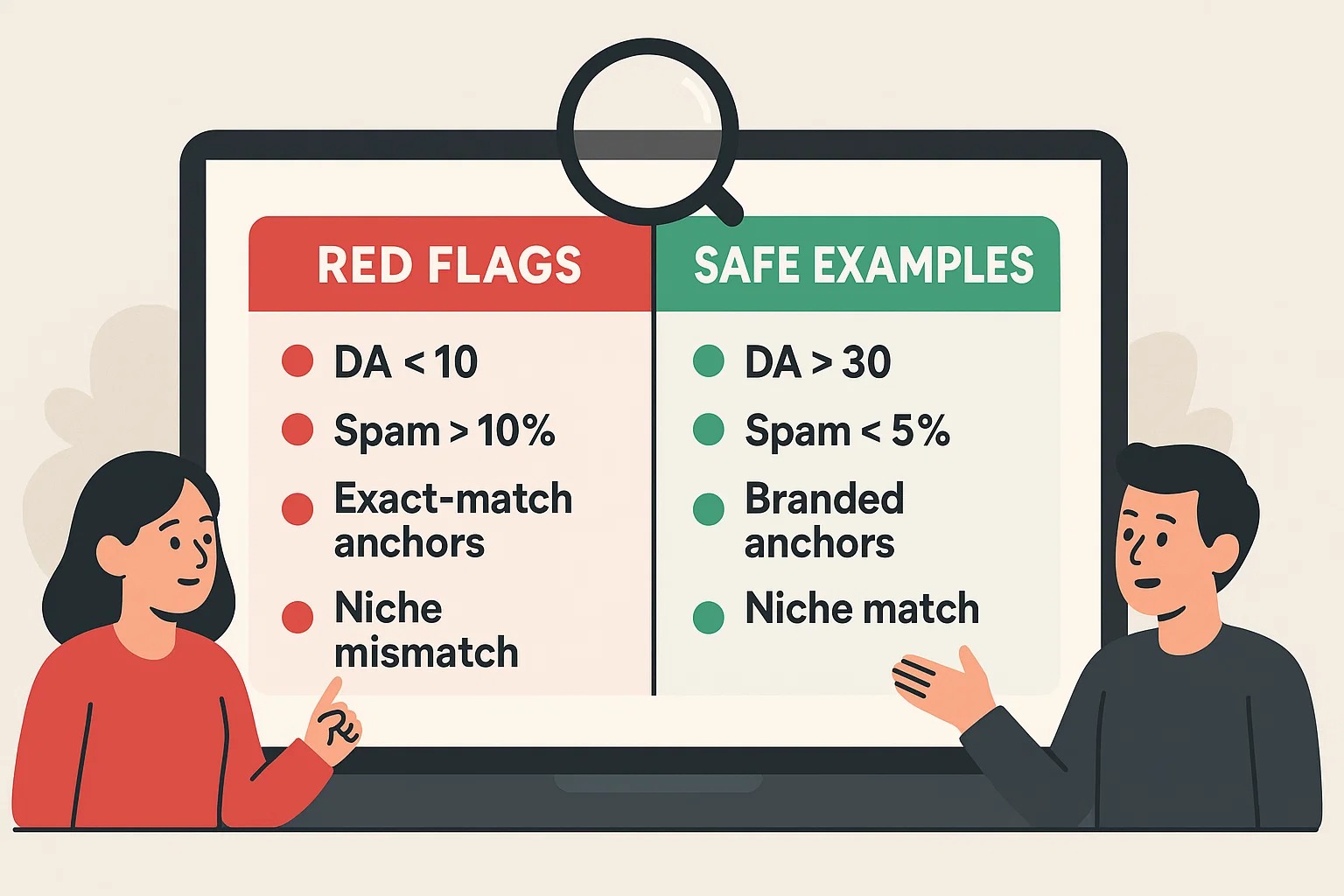
Link Target Quality Checklist
Factor | Red Flag Example | Safe Example |
|---|---|---|
Domain Authority | DA < 10 | DA > 30 (use Moz or Ahrefs) |
Spam Score | Moz Spam Score > 10% | Spam Score < 5% |
Anchor Text | Over-optimized e.g., "buy shoes online" | Branded or natural phrases |
Industry Match | Crypto link on fashion blog | Fitness link on wellness blog |
Use Technical and On-Page Validation Tools
Leverage tools like:
Google Search Console: Monitor crawl errors, manual actions, and link reports
Ahrefs Site Audit: Evaluate toxic link patterns and outbound link spikes
SurferSEO or MarketMuse: Ensure semantic and topical alignment of guest posts
Originality.ai or Copyleaks: Check for AI-generated or plagiarized content
Control Publication Velocity
Sudden spikes in outbound links or too many guest posts in a short time may indicate a "link farm."
Best Practice:
Max 2–3 guest posts per week for blogs under 500 pages
Diversify with your own or editorial content between guest posts
Avoid Link Schemes and Over-Optimization
Google explicitly warns against:
Do-follow links as part of paid link schemes
Link exchanges or excessive reciprocal linking
Exact-match keyword anchors in every article
Pro Tip:
Use nofollow or sponsored attributes where appropriate to disclose paid placements.
Building a Scalable Guest Post Quality Control SEO System
To maintain long-term SEO performance while monetizing guest posts, you need more than manual checks—you need a structured Guest Post Quality Control SEO system. This system ensures every published post strengthens your domain authority instead of weakening it.
📊 1. Create a Multi-Layer Review Pipeline
A strong quality control system works in layers, not single approval steps. Each guest post should pass through:
🔹 Layer 1: Contributor Screening
Before accepting any article, evaluate the author:
- Check LinkedIn or portfolio credibility
- Review past published work
- Verify niche relevance and expertise
If an author cannot demonstrate authority in the topic, the submission risk increases significantly.
🔹 Layer 2: Content Evaluation
Once submitted, the content must pass SEO and editorial standards:
- Minimum 1000+ words (for authority-building content)
- No plagiarism (verified via Originality.ai or Copyscape)
- Proper H2, H3 structure for readability
- Natural keyword usage (no stuffing)
👉 Content should feel like an editorial article, not a backlink placement piece.
🔗 2. Strict Link Quality Filtering
Links are the most sensitive part of guest post quality control SEO.
Before approving any backlink, check:
- Is the target domain relevant to your niche?
- Does it have real organic traffic (not just DR)?
- Is the outbound link profile clean or spam-heavy?
- Does the anchor text look natural in context?
Safe linking structure:
- 70% branded or natural anchors
- 20% partial match keywords
- 10% controlled exact match (only when necessary)
Avoid repetitive anchor patterns across multiple posts.
⚙️ 3. Automated SEO Monitoring Layer
Manual review alone is not scalable. Use tools to automate monitoring:
- Google Search Console → detects indexing issues or penalties
- Ahrefs Site Audit → identifies toxic outbound link patterns
- Moz Spam Score → evaluates risk level of linked domains
- Rankar.ai → tracks guest post performance and link quality
Set alerts for sudden spikes in outbound links or traffic drops.
📉 4. Content Velocity Control (Very Important)
Publishing too many guest posts too quickly can trigger algorithmic suspicion.
Recommended safe limits:
- Small sites (<500 pages): 2–3 guest posts/week
- Medium sites: 3–5 guest posts/week
- Large authority sites: scalable but still balanced
👉 Always mix guest posts with editorial or internal content to maintain natural growth patterns.
🧠 5. Continuous Link Audit System
Guest post SEO is not “set and forget.” You must regularly audit published links:
- Check if pages are still indexed
- Monitor ranking changes after backlinks go live
- Identify broken or removed links
- Disavow toxic or irrelevant domains if needed
Protect Site Reputation with Attribution & Moderation
Clearly label guest articles (e.g., "Guest Author")
Moderate comment sections to prevent spam links
Disable external JS or pixel trackers unless verified
Avoid accepting posts from agencies offering mass outreach
Case Study Snapshot: Traffic Drop from Guest Post Overload
Website | |
|---|---|
DA Before | 42 |
DA After | 26 (in 4 months) |
Problem | Published 40 guest posts/month with unrelated links |
Outcome | Google penalty, lost 60% of traffic, de-indexed 17 pages |
Recovery | Rolled back toxic posts, disavowed links, slowed frequency |
Maintain an Editorial Ratio
A healthy content mix ensures authority:
Content Type | Recommended % |
|---|---|
Editorial Posts | 60–70% |
Guest Posts | 20–30% |
Sponsored Reviews | 10–15% |
Bonus: Add Structured Data to Boost Credibility
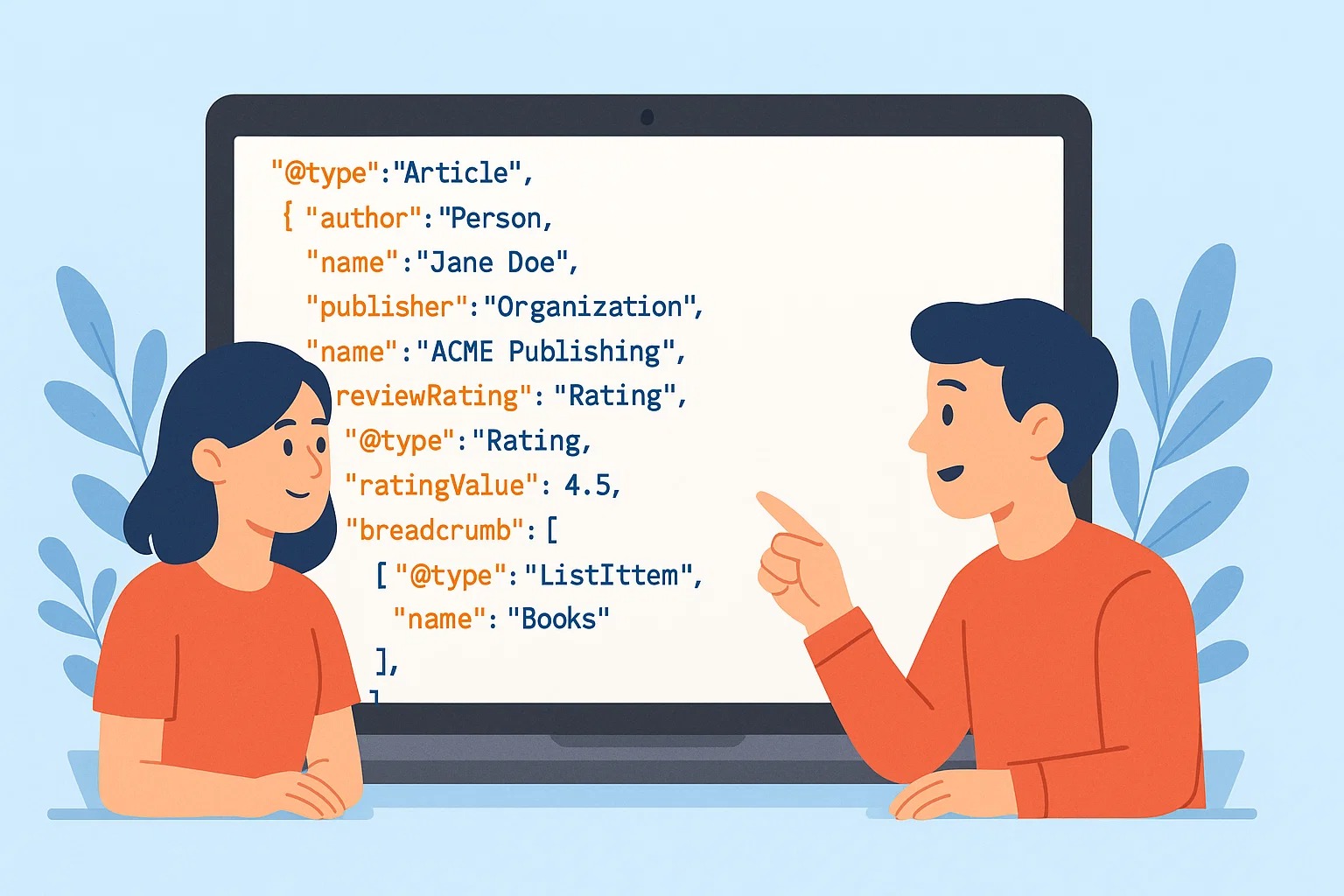
Implement Schema.org tags:
Article schema with author & publisher info
Review schema (if applicable)
Final Thoughts
Selling guest posts can become a highly profitable revenue stream when managed with strong discipline and strict quality control. Every guest post should be treated as a long-term digital asset, not just a short-term backlink opportunity. Poor-quality or irrelevant placements can damage your website’s authority, while well-optimized, niche-relevant posts can significantly strengthen your search visibility and trust signals. Focus on maintaining editorial standards, monitoring outbound links, and ensuring topical relevance in every publication. Always think long-term—because in SEO, every published guest post contributes to your brand’s reputation, ranking stability, and overall authority in search engines.